
The Ad Is a Creator Now
Brands are shifting from traditional advertising to licensing creator content, driven by the rise of the creator economy and AI technologies. This model allows companies to utilize already successful organic content, resulting in more effective ads. However, the challenge lies in balancing AI production with the authenticity of human creators to avoid low-quality content.


What AI Search Means for Students Researching Graduate Programs
The article discusses the challenges faced by prospective law students due to AI-generated search summaries, which prioritize concise, authoritative information over nuanced, contextual insights. While AI tools can help in initial research, they may provide outdated or incomplete perspectives. Students should seek diverse sources and maintain critical thinking to navigate graduate program selections effectively.
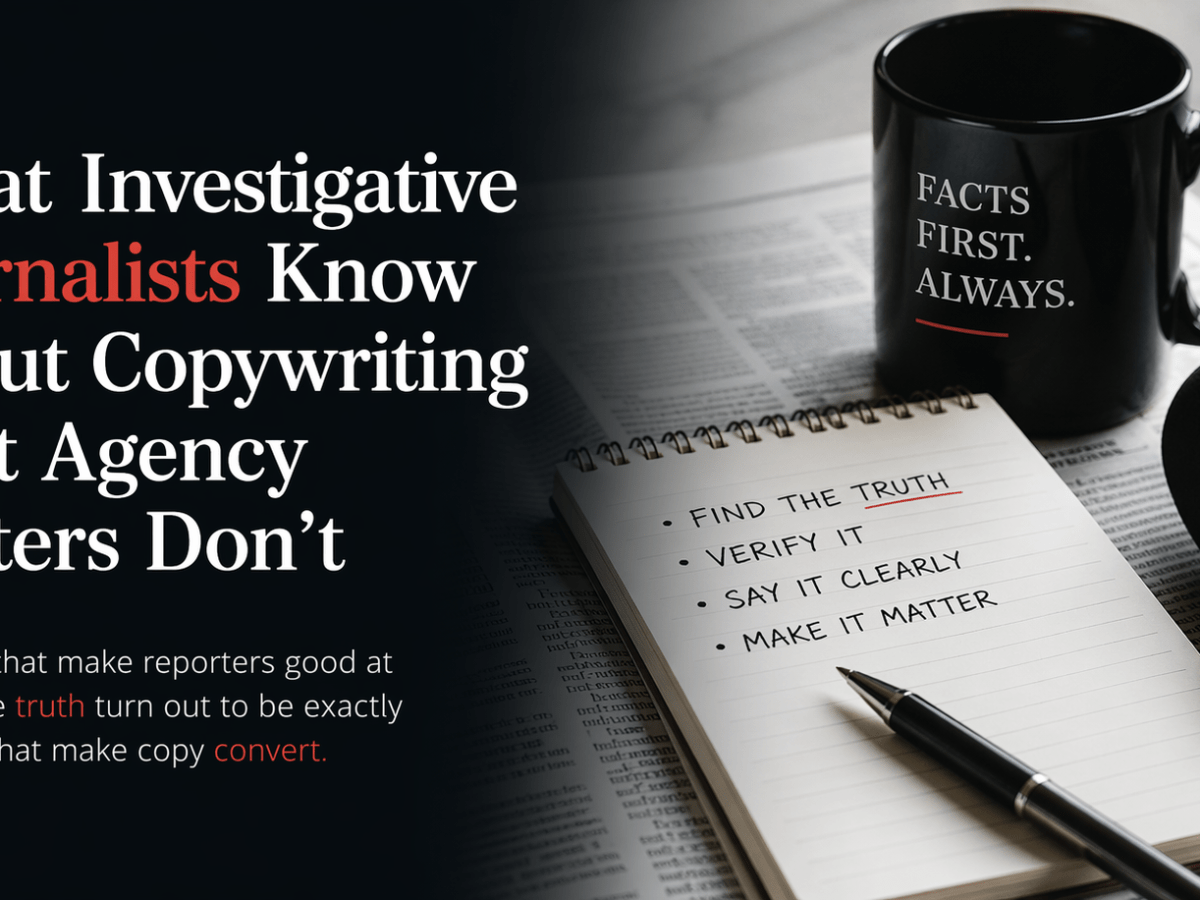
What Investigative Journalists Know About Copywriting That Agency Writers Don’t
The article explores the essential overlap between journalism and copywriting, emphasizing that specificity, clarity, and verifiable claims are crucial for effective communication. Agency writers often produce vague, unfalsifiable content, while journalists utilize rigorous research skills to create impactful, reader-focused copy. Good copy prioritizes truth and directness over creative ambiguity.

How Nonprofits Tell Hard Stories Without Retraumatizing the People in Them
The ethics of impact storytelling require a nuanced approach, especially regarding vulnerable subjects. Trauma-informed storytelling emphasizes meaningful consent and ongoing relationships to avoid exploitation. Organizations achieving this balance improve storytelling quality and maintain trust, contrasting with those that treat stories as mere fundraising tools. Effective practices prioritize ethical engagement and audience impact.
The 6-Month Collapse Cycle in Advocacy
Most advocacy efforts experience a predictable six-month cycle characterized by initial energy followed by friction and eventual fatigue. As structures fail to support the momentum, efforts fragment or dissolve, often misinterpreted as lost interest. Successful campaigns implement defined roles and realistic planning to sustain long-term advocacy.
Why Burnout Is Built Into Independent Advocacy
Burnout in advocacy is often misconceived as a personal failing, resulting from a lack of discipline or resilience. However, it typically arises from structural issues, such as insufficient institutional support, unclear boundaries, and resource imbalances. These factors create unsustainable pressures, leading to predictable burnout due to an inadequately designed advocacy model.
The Cost of Advocacy No One Talks About
Advocacy is often seen as a moral obligation but entails significant costs in time, money, cognitive load, and stability. Many enter advocacy unaware of its demands, leading to resource depletion and burnout. Success requires clear understanding, structure, and sustainable approaches, rather than just passion and effort.
Reputation Recovery Is a 90-Day Strategy — Not a Press Release
Reputation recovery is a structured process, not merely a messaging issue. It involves three phases: containment focuses on stabilization; reframing shifts the narrative for stakeholders; and reinforcement ensures consistency to rebuild trust. Effective recovery requires patience, strategic audience segmentation, and a disciplined approach, rather than premature declarations of success.
When Not to Issue a Statement: The Strategic Power of Silence
During a public crisis, the urge to respond can be intense, but restraint often proves more strategic. Silence, when chosen deliberately, allows time for fact-gathering and internal alignment. Premature statements can lock organizations into unfavorable narratives. Understanding when to remain silent versus when to respond is crucial for effective crisis management.
The Biggest Mistakes Organizations Make During a Public Crisis
Effective crisis management hinges on organizational response rather than the initial event. Common mistakes include emotional responses, lack of clear communication, and inconsistent messaging. To maintain credibility, leaders should respond strategically, define relationships clearly, communicate promptly, and ensure coherence internally. Discipline in messaging builds long-term trust despite challenges.
What to Do in the First 24 Hours of a Public Relations Crisis
In a crisis, organizations must prioritize stabilization over swift responses. Key steps include slowing down to verify facts, establishing clarity in messaging, aligning internal communications, and avoiding defensiveness. Recognizing stakeholder needs and properly acknowledging serious allegations are vital. The aim is to prevent escalation, emphasizing clarity and structure.

